
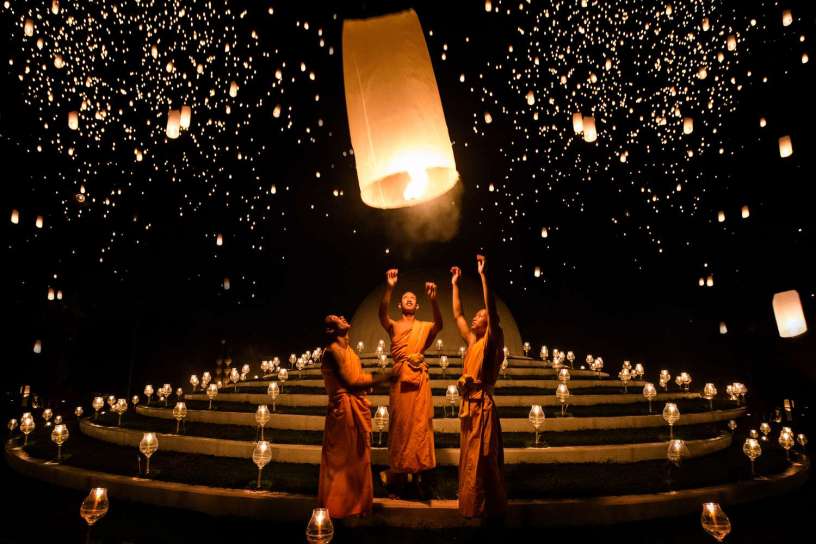
Festivals and events have always been an integral part of human civilization. They serve as powerful conduits of culture, tradition, and social connection, weaving communities together through shared experiences and collective joy. From ancient rites to contemporary spectacles, the essence of these gatherings goes far beyond mere celebration — they embody identity, continuity, and transformation.
The Definition and Distinction: Festivals vs. Events
While the terms “festival” and “event” are often used interchangeably, they possess distinct characteristics that are worth exploring. Festivals typically refer to recurring celebrations rooted in cultural, religious, or seasonal traditions. They often involve ritualistic elements, music, dance, food, and communal participation that reflect a community’s heritage and values. Examples include Diwali, Carnival, and the Cherry Blossom Festival.
Events, by contrast, encompass a broader range of organized activities, including conferences, exhibitions, sporting contests, product launches, and social gatherings. These may be one-time or recurring but are often more targeted in purpose, such as networking, education, or entertainment.
Understanding this distinction helps appreciate the rich diversity that both bring to human interaction and experience.
The Cultural Significance of Festivals
At the heart of many festivals lies a profound cultural narrative. They act as living museums, preserving the stories, customs, and artistry of generations past. Festivals enable communities to express collective identities and pass on traditions in a way that resonates deeply on both personal and societal levels.
Key elements that underscore the cultural importance of festivals include:
-
Ritual and Symbolism: Whether it’s the lighting of candles, the offering of food, or the wearing of specific attire, these acts convey meaning beyond the surface.
-
Artistic Expression: Festivals are vibrant showcases of music, dance, visual arts, and culinary delights that often have historical roots.
-
Community Cohesion: They reinforce social bonds by bringing together individuals of all ages and backgrounds in shared celebration.
-
Seasonal and Religious Observance: Many festivals correspond to agricultural cycles or spiritual calendars, underscoring humanity’s connection with nature and the divine.
The Expanding Universe of Modern Events
In the contemporary world, events have evolved to encompass an ever-growing array of formats and purposes. Business conferences, cultural exhibitions, film festivals, music concerts, and sporting tournaments have become staples of modern social and professional life.
This diversification highlights several notable trends:
-
Technological Innovation: Digital platforms now enable hybrid and fully virtual events, broadening accessibility and audience reach.
-
Personalization and Niche Interests: Specialized events cater to diverse communities, from comic conventions to sustainability summits, reflecting a fragmented but interconnected society.
-
Focus on Experience and Engagement: Modern event planning emphasizes immersive and interactive elements to captivate attendees beyond passive observation.
-
Sustainability Initiatives: There is a growing commitment to environmentally responsible practices in event production, from waste reduction to energy efficiency.
Psychological and Social Benefits of Festivals and Events
Beyond their external spectacle, festivals and events play a vital role in enhancing mental well-being and social health. They provide an opportunity to break away from daily routines, engage in joyful activities, and cultivate meaningful connections.
Some benefits include:
-
Fostering a Sense of Belonging: Participating in collective celebrations helps individuals feel part of a larger community.
-
Stress Relief and Happiness: The excitement, music, and shared laughter found at festivals elevate mood and reduce feelings of isolation.
-
Cultural Education and Empathy: Exposure to diverse traditions broadens horizons, promoting understanding and respect across cultural divides.
Behind the Scenes: The Art and Science of Event Planning
Successful festivals and events are the result of meticulous planning, creative vision, and strategic execution. Organizers must navigate complex logistics, secure resources, and craft compelling narratives that resonate with their audience.
Key components in the planning process include:
-
Audience Insight: Identifying the target demographic and tailoring content to their interests and expectations.
-
Venue Selection and Ambiance: Choosing a location that complements the event’s theme and accommodates practical needs such as accessibility and capacity.
-
Marketing and Communication: Effective promotion ensures awareness and excitement, often utilizing social media and influencer partnerships.
-
Safety and Compliance: Ensuring legal permits, health protocols, and security measures to protect all participants.
-
Partnerships and Sponsorships: Collaborations can enhance financial viability and add value through shared expertise and resources.
Iconic Festivals and Events Around the Globe
To truly appreciate the global significance of festivals and events, consider these emblematic celebrations:
-
Venice Carnival (Italy): Renowned for its elaborate masks and baroque costumes, this festival celebrates history and mystery with theatrical flair.
-
Harbin Ice and Snow Festival (China): A winter wonderland of monumental ice sculptures, this festival highlights human creativity and resilience in harsh climates.
-
Glastonbury Festival (United Kingdom): One of the world’s largest music festivals, it symbolizes modern cultural convergence and artistic freedom.
-
Day of the Dead (Mexico): A poignant festival honoring ancestors, blending indigenous and Catholic traditions with vibrant altars and community gatherings.
The Future of Festivals and Events: A Dynamic Horizon
Looking ahead, festivals and events will continue to evolve in response to technological, social, and environmental changes. Hybrid models combining physical and virtual participation will become increasingly common, expanding inclusivity and reach. There will be a stronger emphasis on sustainability, with organizers adopting innovative green solutions to minimize environmental footprints.
Additionally, the quest for authentic and meaningful experiences will drive more personalized, immersive celebrations that foster deep emotional connections. In a rapidly changing world, festivals and events remain vital spaces for humans to gather, express, and renew their collective spirit.
Conclusion
Festivals and events are timeless phenomena that articulate the complexity of human culture, creativity, and connection. They transcend mere entertainment, offering profound opportunities for identity affirmation, social bonding, and joyful expression. Whether rooted in ancient tradition or shaped by modern innovation, these gatherings enrich our lives and remind us of the enduring power of celebration. As society advances, the spirit of festivals and events will undoubtedly continue to inspire, unite, and uplift communities across the globe.

